

Core Principles of High-Converting Store Design
Learn the fundamental design patterns that successful online stores use to guide customers toward purchase decisions without overwhelming them.
Read MoreBuilding high-performing online stores that convert visitors into customers. We’re focused on creating digital storefronts that work for Canadian businesses of all sizes.
Whether you’re starting your first online shop or redesigning an existing storefront, you’ll find practical guidance on design principles, user experience optimization, and platform selection.
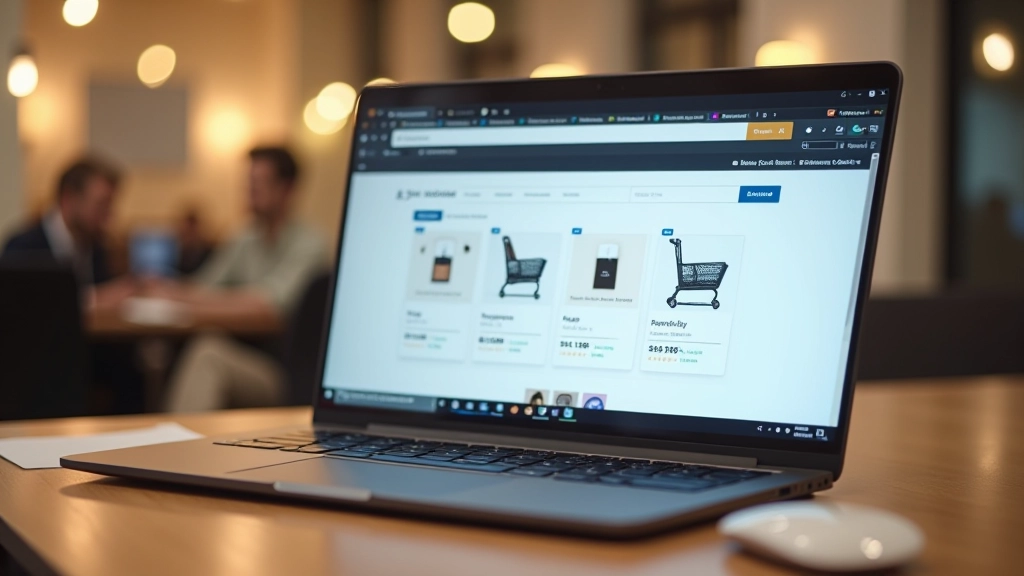
Expert articles covering design trends, technical implementation, and best practices for e-commerce success.
Learn the fundamental design patterns that successful online stores use to guide customers toward purchase decisions without overwhelming them.
Read More
Over 70% of online shopping happens on phones now. Here’s how to design your store so mobile customers have a seamless experience from browsing to checkout.
Read More
Quality product images drive conversions. We’ll cover what makes photos sell, how to optimize them for fast loading, and technical specs for different platforms.
Read More
A frustrating checkout process loses sales. We’ll walk through what works — guest checkout, payment options, trust signals, and how to design for completion.
Read MoreWhether you’re building with Shopify, WooCommerce, or a custom platform, these components determine whether customers stay or leave.
Customers need to find what they’re looking for in seconds. Categories, filters, and search all need to work together. If someone can’t locate a product, they’ll shop elsewhere.
Every extra second of load time costs sales. Optimized images, clean code, and proper hosting matter. We’re talking about the difference between 3-second and 8-second load times — that’s real money.
People won’t enter credit card information on a site that looks sketchy. SSL certificates, privacy policies, customer reviews, and professional design all build confidence in your store.
How you organize product details, descriptions, variants, and pricing affects both usability and search engine visibility. It’s not just about looking good — it’s about structure.
Small design decisions have big impacts. Button placement, color choices, form fields, and calls-to-action either encourage purchases or create friction. Testing matters.
You can’t improve what you don’t measure. Tracking user behavior, conversion rates, and where customers drop off lets you make data-driven design changes.
Each platform has trade-offs. Here’s what matters when choosing where to build your store.
Easiest to get started. Hosting, security, and payments are all handled. You’re paying for convenience — but that means less technical headaches. Good if you want to focus on products, not infrastructure.
Built on WordPress. More flexibility and customization than Shopify, but you’re responsible for hosting and maintenance. Better for people comfortable with some technical work or willing to hire developers.
Total control. Expensive and time-consuming. Only makes sense if you need features that off-the-shelf platforms can’t provide or you’re running a massive operation with specific requirements.
Sits between Shopify and custom builds. More powerful than Shopify but easier than custom code. Good for growing businesses with complex product catalogs or specialized needs.